
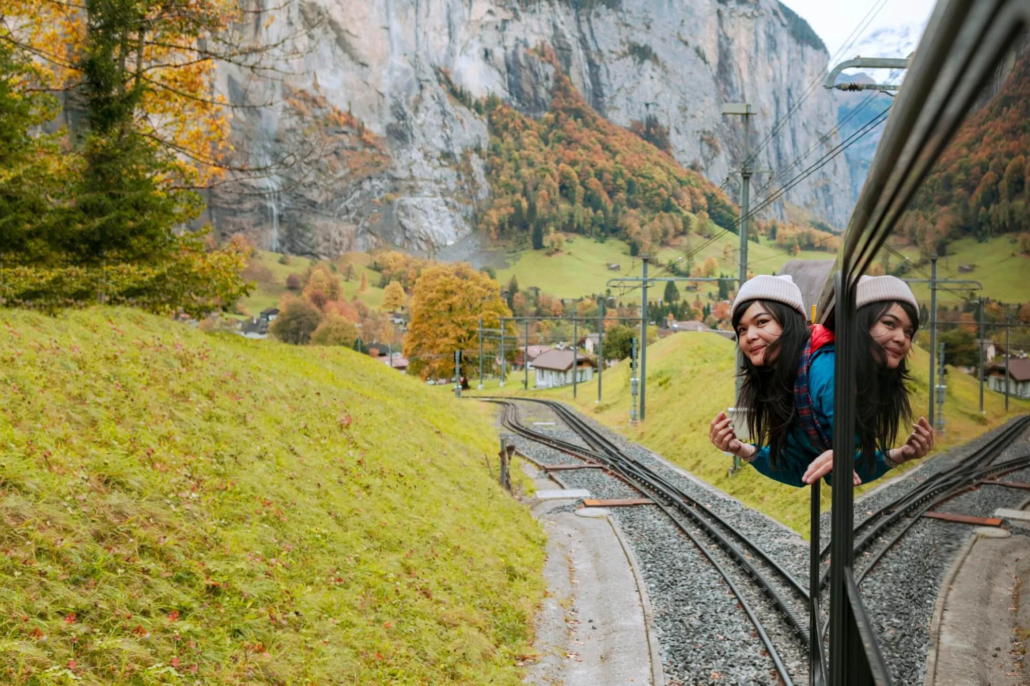
Building a Nature Positive Future for Tourism: Insights from Valsugana
Event report · Recording
Building a Nature Positive Future for Tourism: Insights from Valsugana
Key takeaways on nature-positive tourism, from impact metrics to the Valsugana pilot.
Key takeaways
Tourism’s Dependence on Nature
Over 80% of tourism activities depend on natural resources and ecosystems, such as forests, coral reefs, and freshwater. Protecting these resources is critical to maintaining the sector’s resilience and ensuring sustainable growth.
Nature-Positive Tourism Creates Opportunities
A Nature-Positive Economy (NPE) emphasizes ecological restoration while supporting economic prosperity. For tourism, this means prioritizing nature-based solutions (NbS), which can enhance ecosystem services, boost local economies, and attract eco-conscious travelers.
Sustainable Tourism Practices Mitigate Risks
Unsustainable practices in tourism—such as resource exploitation and habitat destruction—pose significant risks to ecosystems and communities. Shifting to regenerative tourism models can mitigate these risks while enhancing the quality and appeal of tourism offerings.
Metrics for Measuring Impact
Clear frameworks for tracking progress are vital. Examples include Natural Capital Accounting (NCA) and GSTC-aligned indicators. These tools help measure the effectiveness of sustainable tourism initiatives and ensure alignment with global biodiversity goals.
Insights from the Valsugana Pilot Project
The Valsugana Tourism Pilot highlights the importance of stakeholder engagement in co-creating sustainable destination plans. DMOs need to take a transformative change: from Destination Marketing Organisations to Destination Stewardship Organisations.
More News & Events

Nature Futures 25: Event recap
Speakers from across sectors on the opportunities and challenges of the transition to a nature-positive future.
Read the article
Mainstreaming Green Buildings in the EU
Green roofs, living walls and other nature-based solutions for urban buildings, with EFB and ANCV.
Read the article
Regenerative Ocean Farming & Blue Economy
Seaweed farming, restorative aquaculture and the blue economy, with Gareth Murphy and Simona Fondate.
Read the article
