
Agri-food · Ecosystem Restoration & Biodiversity
Verderosa Farm
Grass-fed farming that brings food production, biodiversity and community well-being together.
Italy
Farm’s mission
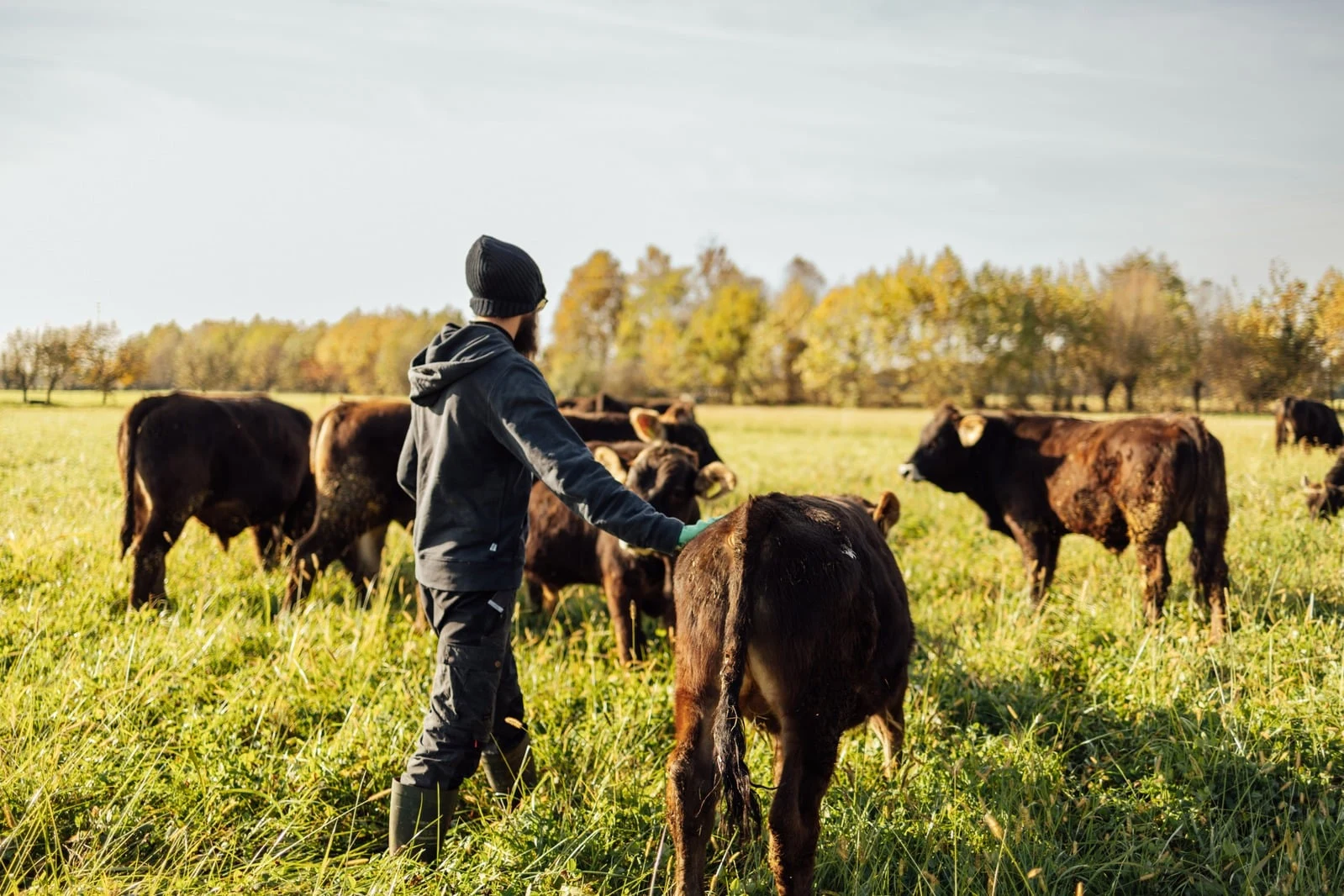
Verderosa Farm represents a new model of agriculture rooted in environmental stewardship and community well-being. Founded by a group of farmers determined to transform conventional, industrial-scale agriculture and livestock farming into activities with a positive impact, the farm operates on the principle that caring for the land means caring for an entire ecosystem.
At Verderosa, this includes the responsible management of animals, crops, water, trees, and biodiversity, ensuring that the farm removes more CO₂ than it emits, generates more clean water than it consumes, and safeguards more biodiversity than it disturbs. The name Verderosa reflects the farm’s story and philosophy: Rosa — the colour of biodiversity and a tribute to one of the founding farmers Rosa, a longtime farmer who dedicated her life to caring for the land and, now retired, has chosen to pass on her knowledge to the younger generations — and Verde — the colour of the soul of our founding members who chose to create a different kind of farm, combining innovation and tradition through regenerative agriculture. Guided by these principles, Verderosa Farm places nature, animal welfare, and the quality of its produce at the heart of everything it does, demonstrating how agriculture can regenerate, rather than deplete, the environment.
Inspiration
Conventional agricultural practices have long contributed to the degradation of biodiversity and the depletion of natural resources. In response, expanding sustainably managed grasslands and pastures has emerged as a nature-based solution capable of reconciling production needs with the preservation of tradition and the delivery of vital ecosystem services. Recognising this, Etifor, whose shareholders include members from farming families with conventionally managed lands, identified a pressing need to demonstrate that a regenerative alternative is both viable and beneficial. This vision led to the creation of a demonstration farm (demo-farm), designed to showcase how innovative, nature-positive farming practices can restore ecological balance while maintaining productivity and supporting rural livelihoods.
Problem and solution
Intensive dairy and beef farming practices, largely dependent on grain-fed diets, have transformed diverse farmland into expansive monocultures reliant on heavy inputs of fertilisers, pesticides, and herbicides. These systems often concentrate large numbers of animals per hectare, leading to soil degradation, water pollution and depletion, and increased greenhouse gas emissions. As a result, this industrial model has become a major driver of biodiversity loss, reducing the ecological integrity of rural landscapes and disrupting the natural balance between production and the environment.
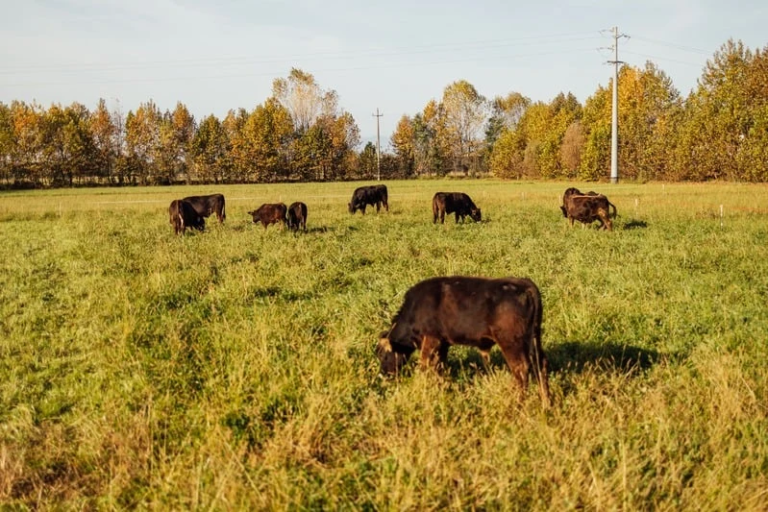
In contrast, adopting and promoting grass-fed systems offers a regenerative alternative that aligns agricultural productivity with ecosystem health. By relying on extensive grazing rather than intensive feed production, grass-fed dairy and beef farms contribute to the restoration of grasslands and pastures, improving soil organic matter and promoting the recovery of bird and butterfly populations. When managed sustainably, these systems can achieve a harmonious balance between food production and ecological renewal, demonstrating that well-designed agricultural practices can both nourish people and regenerate nature.
Impact
VerdeRosa Farm has set up a system for monitoring the impacts attributable to its products, so that it can report more accurately on progress towards the specific impact goals set out. In particular, the specific impact goals (specific objectives) are pursued through the production of the individual regenerative impact products and services and consist of:
- reducing, minimising or avoiding potential risks and/or negative impacts associated with agricultural production;
- generating positive impacts on territories and the environment and, consequently, potentially on people, communities, organisations, associations and other stakeholders.
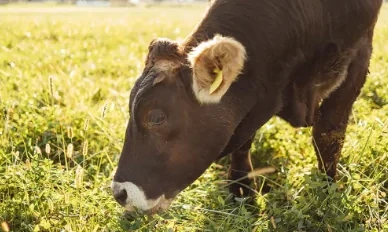
Animal welfare
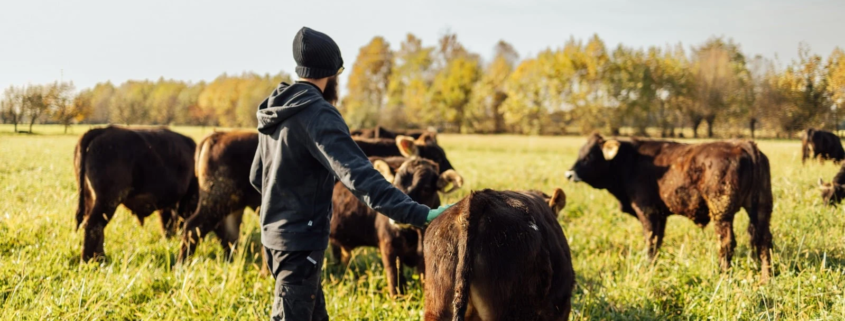
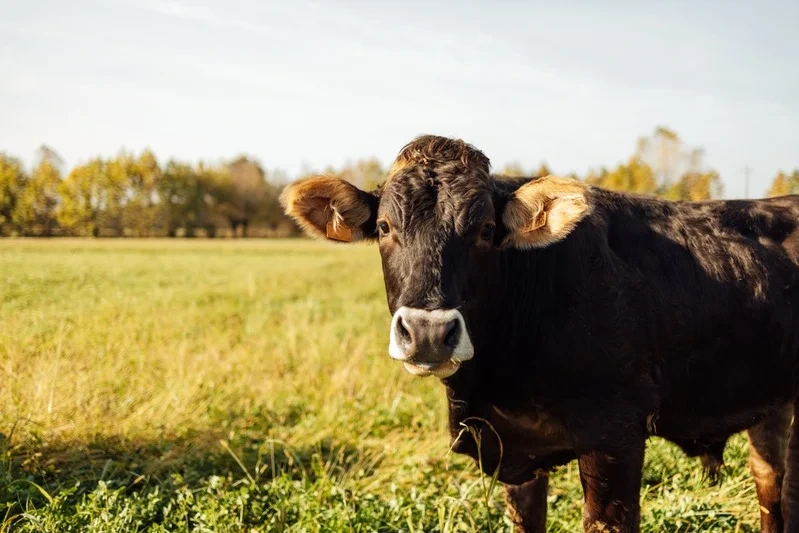
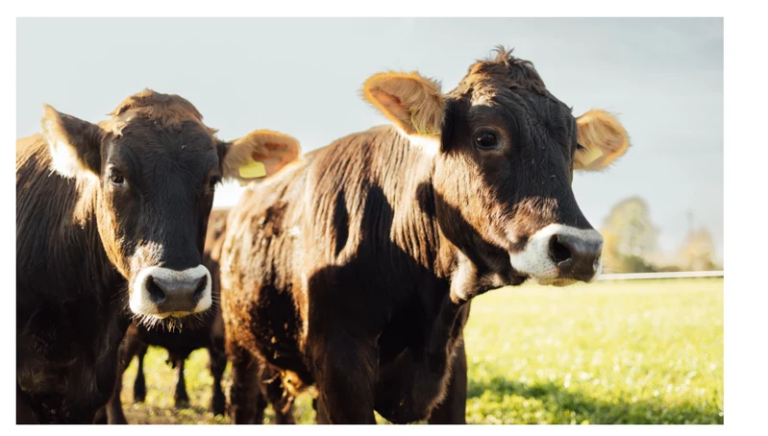
- Farming of up to 24 cattle, with 100% open-air grazing, grass-fed and antibiotic-free.
- 65% of cattle are of the native Rendena breed, with the aim of reaching 80%.
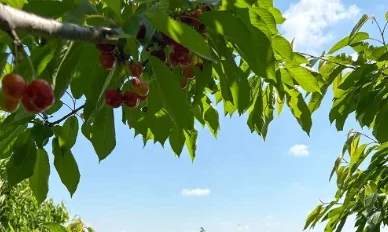
Climate
- 136.53 tons of CO₂ removed from the atmosphere.
- 76.1 tons of CO₂ emitted, with a net positive balance.
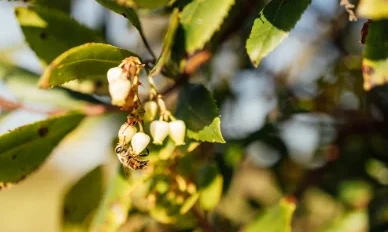
Regeneration of the territory
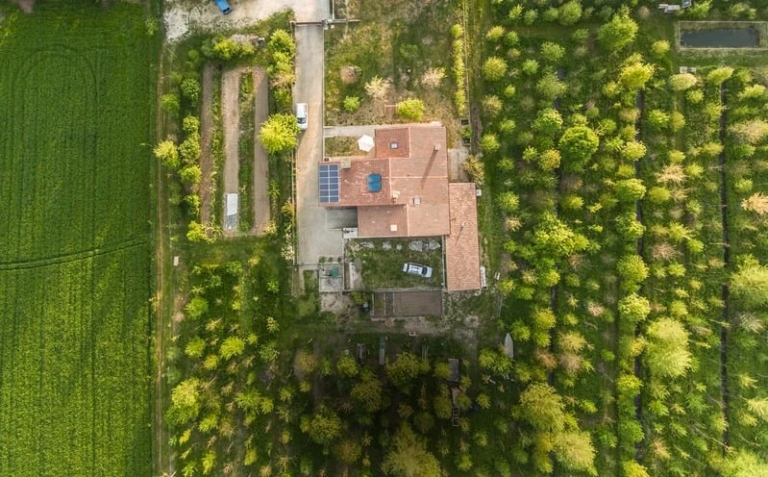
- 20.6 hectares of forests whose management has been improved.
- 3.6 km of green infrastructure such as hedges and managed rows.
- 8 hectares of arable land converted to permanent meadow.
Business model
VerdeRosa Farm is a registered agricultural enterprise, benefit corporation, fully owned ETIFOR | Valuing Nature.
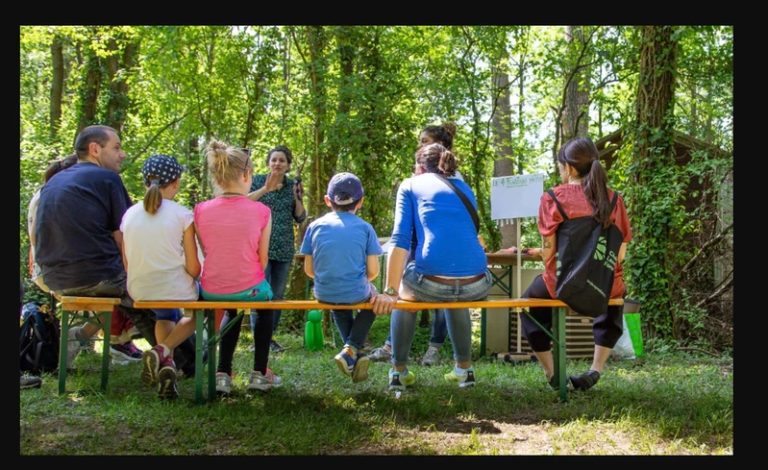
Verderosa Farm operates through a diversified business model that integrates sustainable production, education, and environmental services. Its core activity is the production and direct sale of high-quality grass-fed beef, marketed to consumers through an e-commerce platform and local sales channels, ensuring transparency and a close connection between producer and consumer. Beyond food production, the farm hosts a forest kindergarten, where children engage with nature through outdoor learning experiences supported by a monthly fee system. In addition, the farm provides forest maintenance services, including mechanical weed control within reforestation projects, contributing to ecosystem restoration efforts. Collaboration is central to Verderosa’s approach — working with restaurants, the University of Padova, Etifor, Slow Food, and other like-minded farmers — to promote the grass-fed philosophy and advance regenerative agriculture as both an ecological and economically viable model.
Challenges and hurdles
One of the major challenges faced by Verderosa Farm during its establishment was recruiting agricultural workers who aligned with the farm’s regenerative philosophy and possessed both the intellectual and practical skills required for such an innovative approach. Balancing ecological principles with day-to-day farming operations demanded a unique skill set that was not easily found within conventional agricultural labour markets. In retrospect, the founders recognised that selecting the right business and staff partners from the beginning would have streamlined the process. Nevertheless, the experience provided valuable learning opportunities that contributed to the farm’s growth and resilience. The founders now emphasise the importance of collaboration and authenticity in the sector, encouraging new entrants to engage with other farmers, build genuine narratives around their vision for change, and approach regenerative agriculture as a continuous process of learning and adaptation.
Future and opportunities
Verderosa Farm plans to scale its grass-fed beef production and strengthen partnerships, particularly with Slow Food, to promote sustainable, high-quality meat and expand the visibility of regenerative farming practices. However, one of the key barriers to growth lies in the limitations of current agricultural policy frameworks. The farm’s innovative model, where a significant portion of revenue is generated from ecosystem services and educational or recreational activities, does not align neatly with the eligibility criteria of the Common Agricultural Policy (CAP). As a result, Verderosa falls outside the categories most supported by CAP, which prioritises traditional, production-oriented farming and defines farmers as those deriving at least 51% of their income from agricultural products. Financial support mechanisms better tailored to multifunctional and regenerative farms would enable Verderosa and similar initiatives to grow, scale their impact, and demonstrate the economic viability of farming models that prioritise ecosystem health and community value alongside production.
More community stories
Linked.Farm
Connecting farmers directly with customers through fairer, shorter food supply chains.
Read the story
Hometree
Restoring Ireland’s native woodlands and temperate rainforest with communities, schools and landowners.
Read the story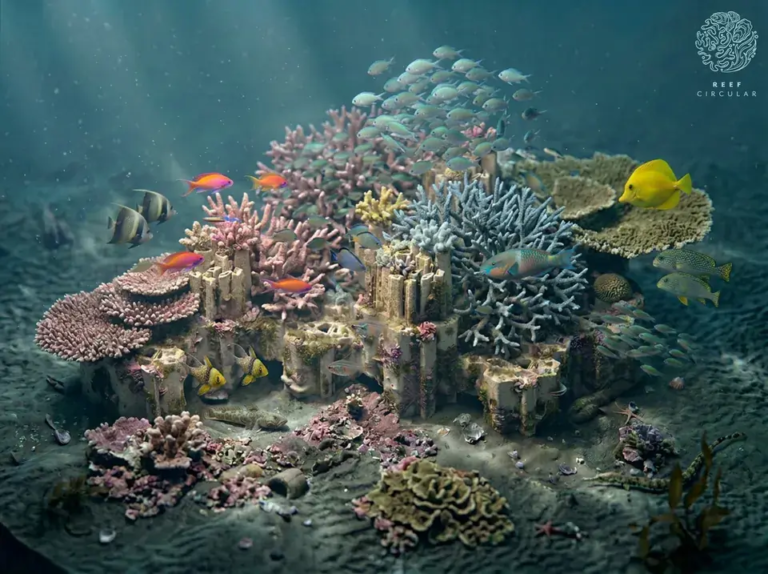
ReefCircular
Low-carbon artificial reefs designed to bring marine ecosystems back to life at scale.
Read the story