
Ecosystem Restoration & Biodiversity
ReefCircular
Low-carbon artificial reefs designed to bring marine ecosystems back to life at scale.
Denmark
Mission and inspiration
Coastal marine habitats are facing severe global decline, with an estimated 30-50% already severely degraded or completely lost. This has had a devastating impact on marine biodiversity. For example, oyster reefs alone have declined by approximately 85% worldwide. The loss of marine biodiversity is not only an environmental crisis, but also an economic and societal one. The global ocean economy is estimated to be worth over €2.1 trillion annually, with around 70% of this value dependent on healthy marine ecosystems.
Current marine restoration solutions rely heavily on traditional concrete engineering first approaches, which prioritise structural function over ecological performance and carry a high carbon footprint.
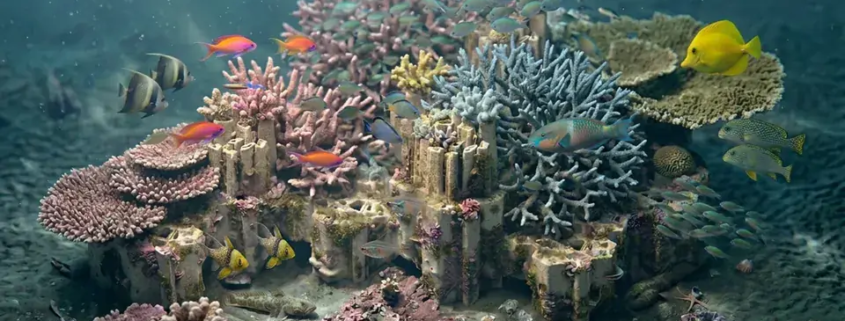
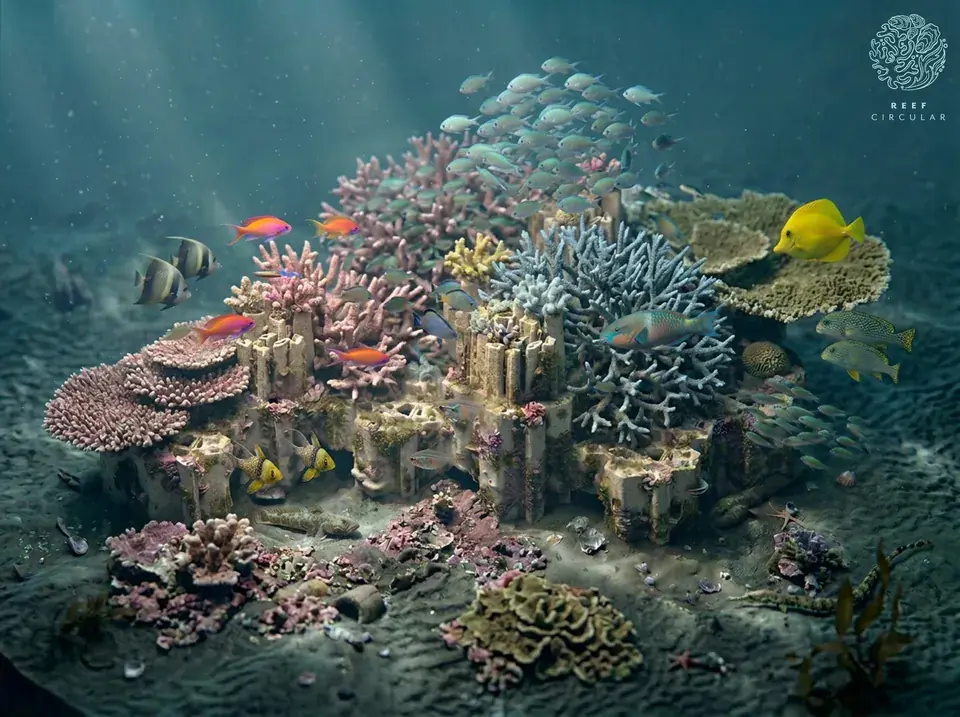
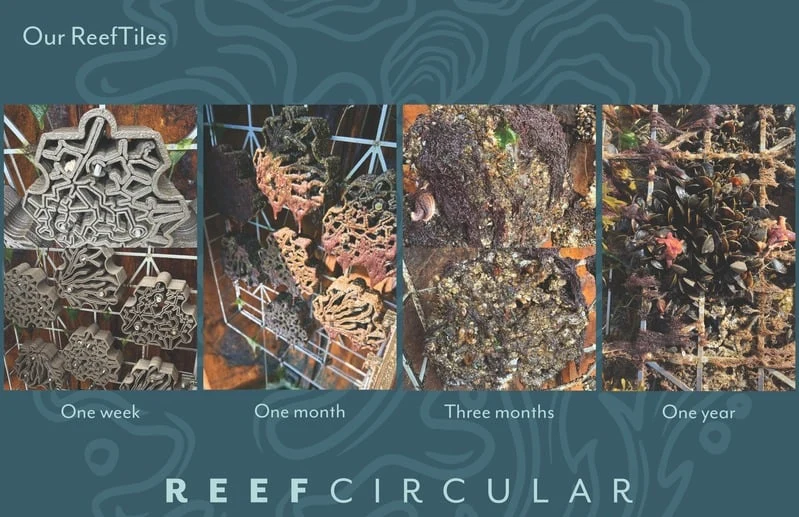
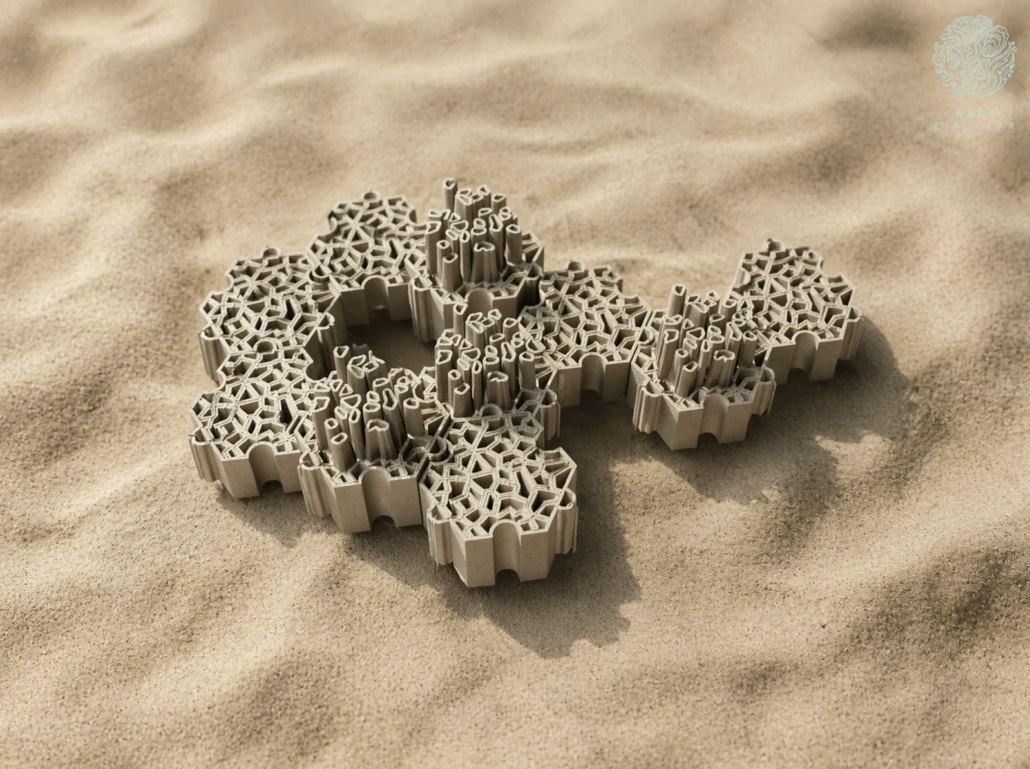
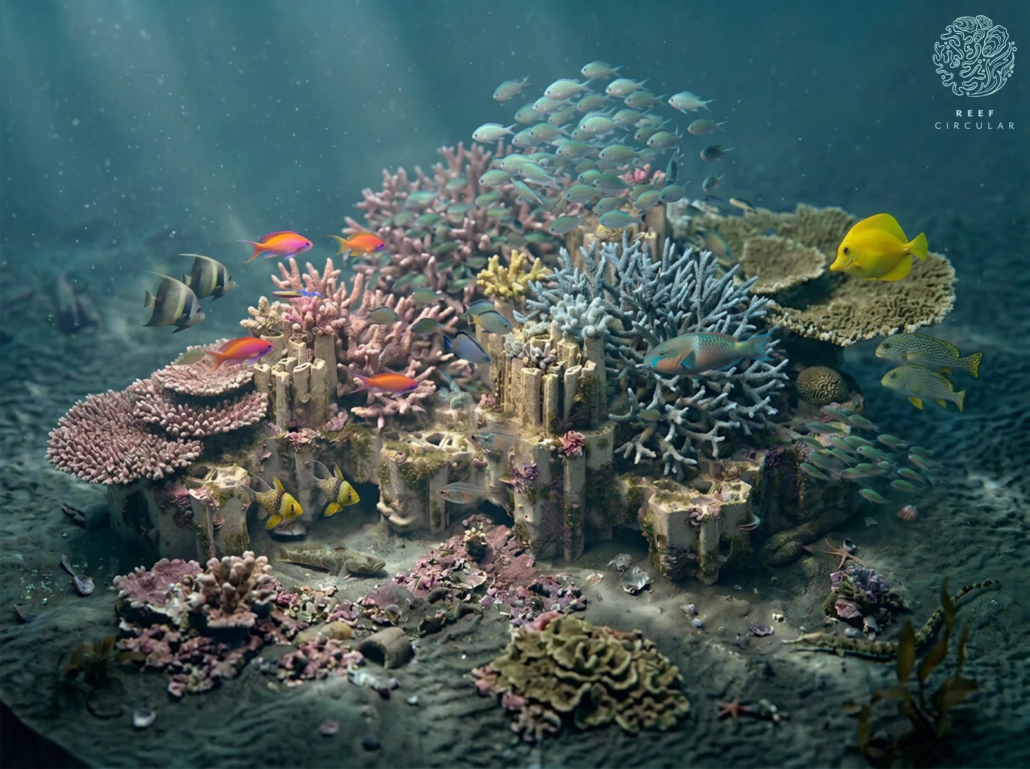
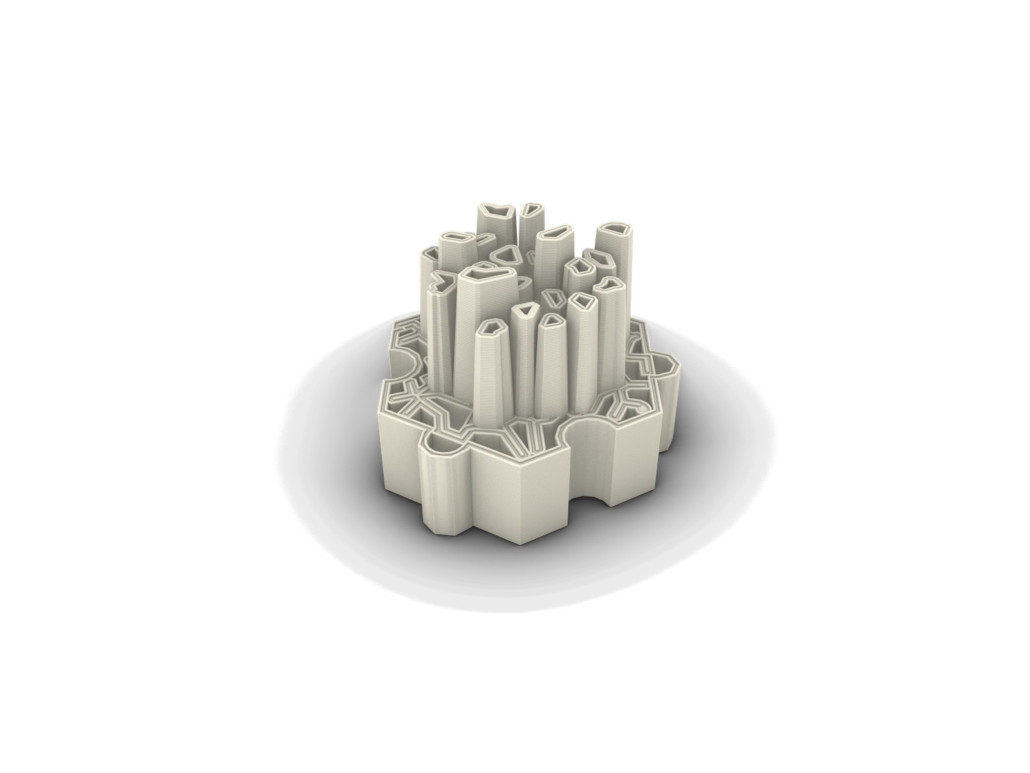
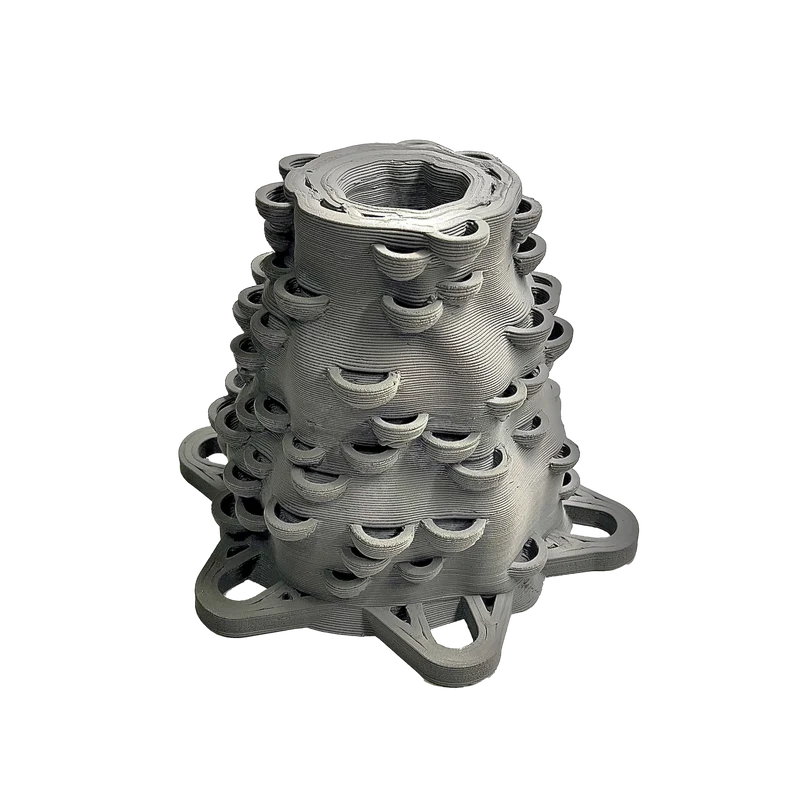
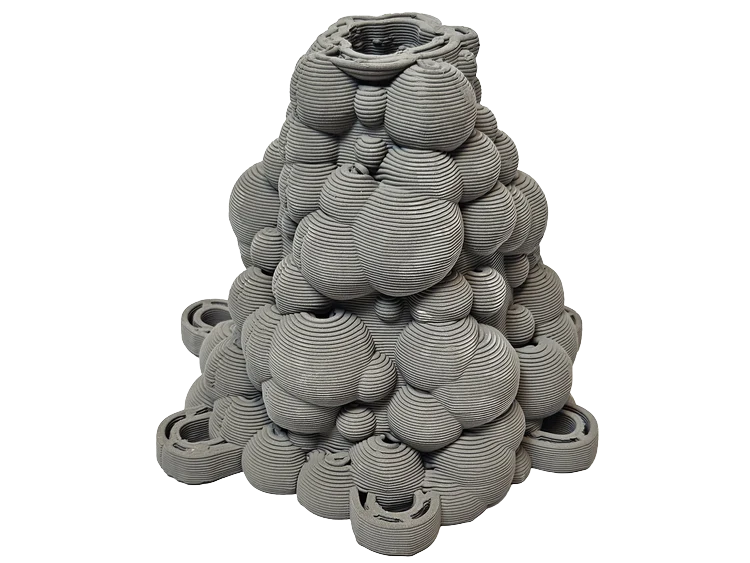
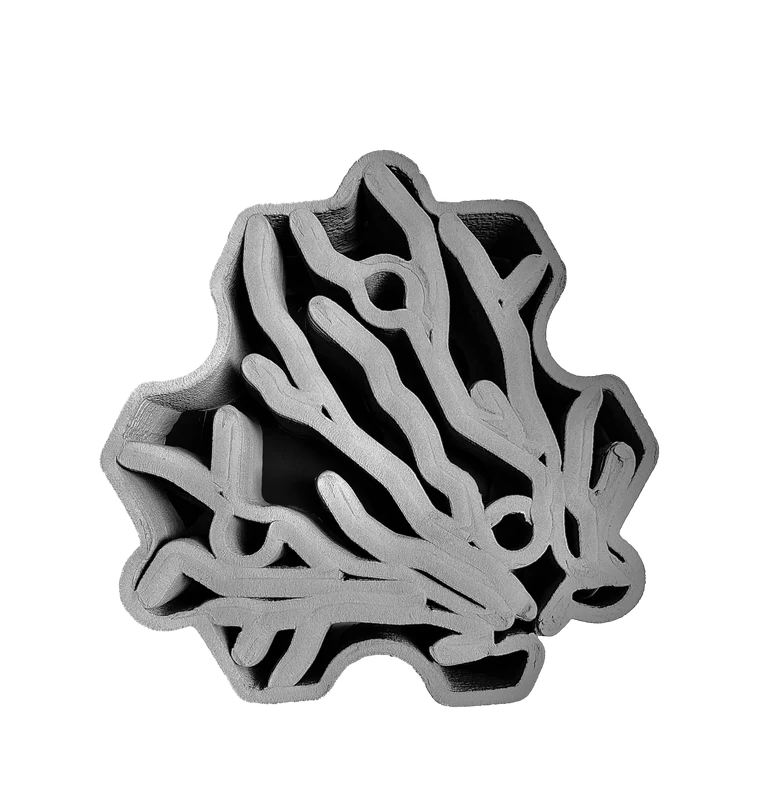
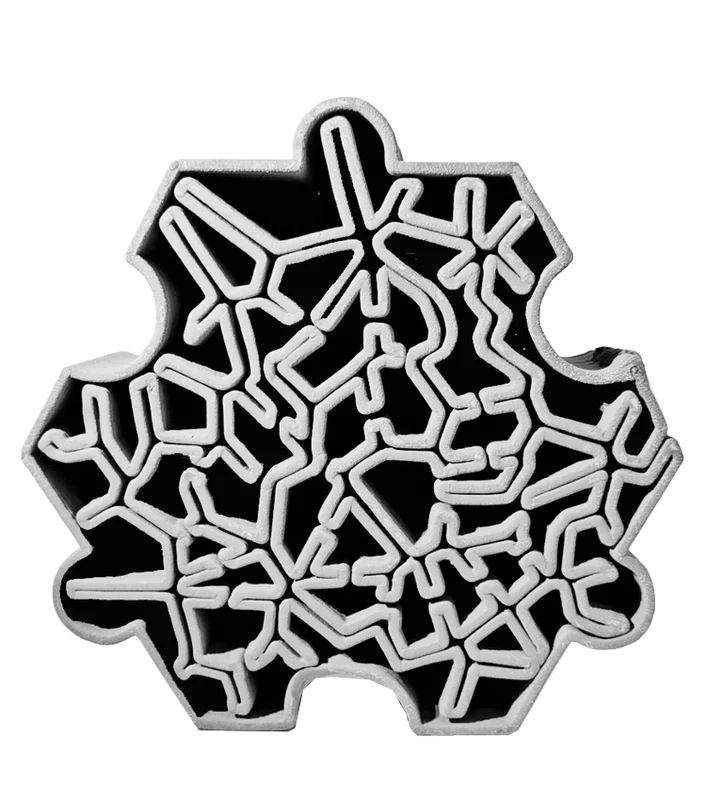
At ReefCircular, we take a biodiversity-first approach. We produce our artificial reefs using lower-CO2 materials (e.g. clay and a biodegradable shell-based material) and surface conditions specifically designed to encourage rapid marine colonisation and ecosystem recovery. Our artificial reefs are tailored to specific ecosystems and target species, allowing us to maximise ecological impact while supporting scalable restoration across.
Our mission is to restore marine ecosystems at scale while being environmentally responsible.
Business model
ReefCircular operates through two complementary business models, allowing us to support both full ecosystem restoration projects and scalable reef deployment partnerships.
Our primary model is a full-service solution, where we work directly with clients from initial site assessment through to long-term environmental monitoring. This includes baseline ecological data collection, reef design and production, installation, ongoing monitoring, and impact reporting. Revenue is primarily generated through the delivery of projects, with additional recurring revenue generated through a subscription-based monitoring and reporting service, typically contracted for a minimum of one year. This model provides clients with measurable biodiversity and environmental impact data that can support ESG reporting, regulatory compliance and sustainability objectives.
Our second model focuses on the direct supply of artificial reefs to customers, enabling a highly scalable approach to reef restoration and marine enhancement. In this model, ReefCircular acts as the reef technology provider while installation and project implementation are carried out by partners, contractors or the customer themselves. This approach allows rapid deployment across larger geographic regions and supports integration into existing marine infrastructure and restoration programmes.
In practice, we anticipate operating through a hybrid of both models depending on project scale, geography and customer needs. Some clients may require end-to-end project delivery and environmental reporting, while others may primarily seek access to our reef technology for independent implementation. This flexibility allows ReefCircular to scale efficiently while maintaining strong long-term recurring revenue opportunities through monitoring, data services and ongoing reef expansion.
Challenges and hurdles
Challenges & Hurdles One of the key challenges we have faced is the need to demonstrate measurable environmental impact before many customers are willing to commit to projects. As a result, we have had to invest significant time and resources into research, development and pilot deployments in order to generate the ecological data and proof-of-concept evidence required by the market. While this creates a longer pathway to revenue compared to purely digital businesses, it is a necessary step in building credible and scientifically validated restoration solutions.
We have also encountered a common misconception that ocean restoration is not a commercially viable industry, and that artificial reefs cannot be deployed at a meaningful scale. In reality, the marine restoration sector is growing rapidly, driven by increasing environmental regulation, biodiversity targets, coastal resilience needs and ESG commitments from both governments and industry. Advances in manufacturing, modular design and monitoring technologies are making large-scale reef deployment increasingly feasible and economically attractive.
Another challenge has been securing private investment. Many investors look for opportunities with the potential to deliver very large short-term returns, which can make it more difficult for hardware, infrastructure and environmental companies to attract early-stage funding despite the size and long-term importance of the market opportunity. However, we believe there is growing recognition that climate and nature-focused businesses will play a critical role in the future economy, particularly those capable of delivering measurable environmental impact alongside commercial returns.
Future and opportunities
To date, ReefCircular has secured more than €400,000 in non-dilutive funding, completed a successful pilot project that delivered a 200% increase in species diversity and a 400% increase in fish abundance within just four months, and is preparing to deploy its first large-scale demonstration project in June 2026. We are now progressing toward our first commercial sales within a rapidly growing €5.5 billion market and have already developed a project pipeline valued at over €1 million. To accelerate our growth and impact, we are currently raising €300,000 in pre-seed funding. This investment will enable us to expand our production capacity, grow our technical and commercial team, and further scale deployment capabilities.
More community stories

Verderosa Farm
Grass-fed farming that brings food production, biodiversity and community well-being together.
Read the story
Hometree
Restoring Ireland’s native woodlands and temperate rainforest with communities, schools and landowners.
Read the story
green account
Making it simple for landowners to earn from nature restoration through Germany’s offset market.
Read the story
