

Ecosystem Restoration & Biodiversity · Forestry
Hometree
Restoring Ireland’s native woodlands and temperate rainforest with communities, schools and landowners.
Ireland
Mission and inspiration
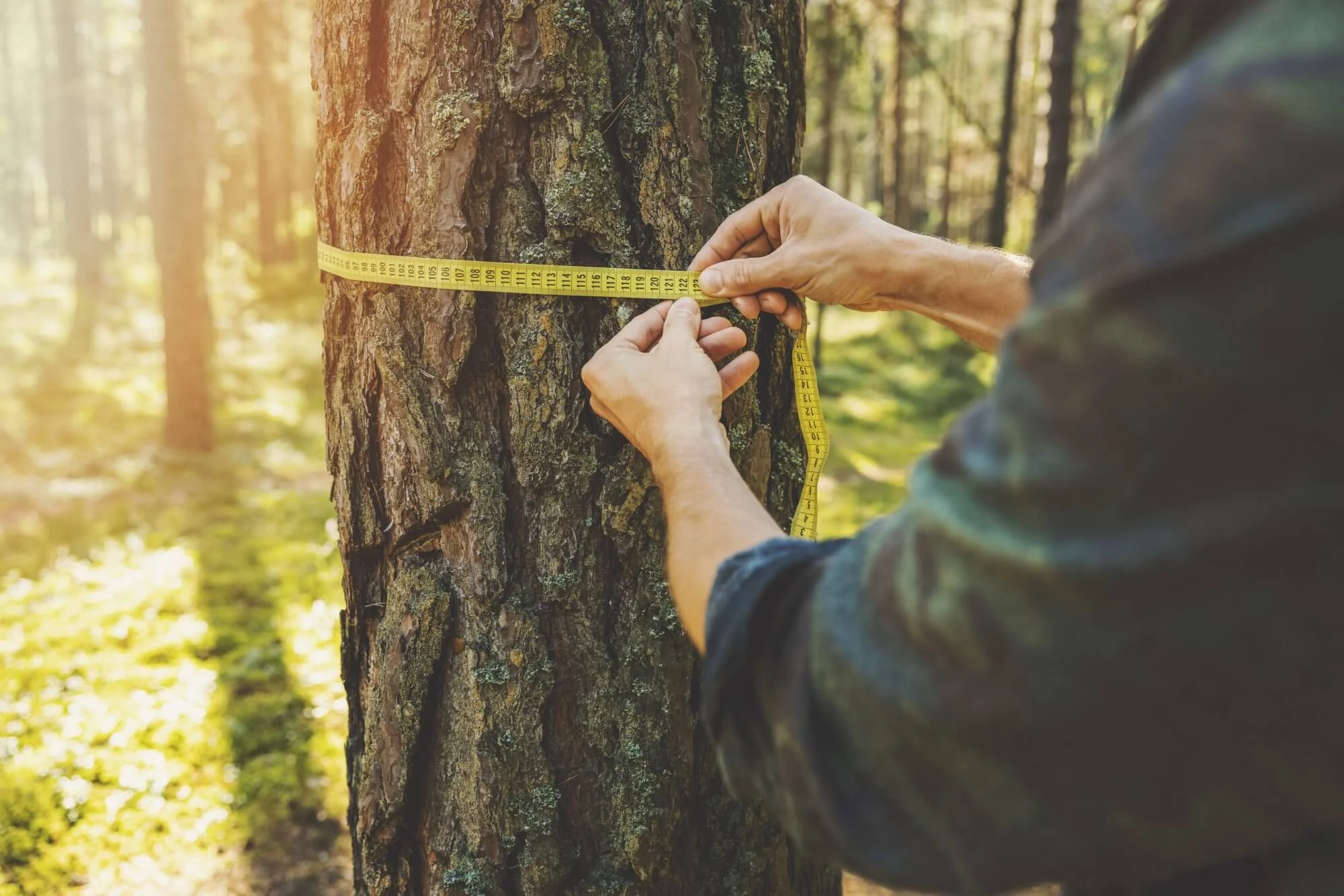
Hometree’s mission and inspiration are rooted in a profound commitment to restoring Ireland’s natural heritage by re-establishing resilient native woodlands and fostering deeper connections between people and the landscape they live in. What began as a modest tree-planting initiative in a small community garden in the west of Ireland in 2014 evolved into a broader nature restoration charity precisely because its founders recognised how essential it is for humans to engage directly with the living world around them. From those early days of planting pioneer species such as Scots pine, willow and alder with volunteers and landowners, the organisation has grown into a steward of biodiversity, aiming to extend the country’s woodland cover and address the sharp decline of native habitats that once dominated the Irish landscape.
The inspiration behind Hometree’s work is both ecological and cultural. Ireland, once covered by expansive forests, now retains only a tiny fraction of its ancient wildwood. This loss of forest cover not only diminishes biodiversity but also weakens the cultural and emotional ties people have with nature. Hometree envisions landscapes where people and forests can flourish together, integrating community, science and education into their restoration efforts so that land regeneration is not merely an ecological objective but a catalyst for renewed stewardship of the environment. In pursuing this long-term vision, the organisation embraces the fact that many of the trees planted today will not reach full maturity in their own lifetimes; this underscores their focus on leaving a lasting legacy for future generations and reshaping how communities value and interact with the natural world.
Business model
Hometree operates as a registered environmental charity rather than a traditional profit-seeking enterprise, and its model is structured around long-term ecological restoration funded through a mix of philanthropic, public and community support. At its core, the organisation acquires and manages land for native woodland regeneration, works with private landowners to transition land toward continuous cover forestry, and implements conservation and education programmes. These activities are sustained through diversified income streams that typically include individual donations, corporate partnerships, grant funding from national and European sources, and revenue linked to native tree planting and woodland creation schemes. Rather than generating profit, any surplus is reinvested directly into land acquisition, habitat restoration, biodiversity monitoring, and community engagement initiatives.
A key component of Hometree’s operating model is partnership. The organisation collaborates with local communities, schools, volunteers, researchers and landowners to deliver its programmes. By combining ecological expertise with community participation, it reduces operational costs while increasing local ownership of restoration efforts. Corporate supporters and philanthropic donors contribute funding to specific woodland projects or broader restoration programmes, often motivated by biodiversity, climate resilience, or environmental, social and governance (ESG) commitments. At the same time, public grants and state-supported forestry schemes provide structural financial backing for land regeneration work.
This blended funding approach enables Hometree to maintain financial resilience while pursuing its long-term conservation mission, which prioritises permanent native woodland establishment over short-term commercial forestry returns. Importantly, Hometree’s model reflects a “legacy” mindset: it invests in ecological assets — native forests — that will mature over decades. Financial sustainability, therefore, is aligned with ecological sustainability. Instead of extracting economic value from timber production as a primary driver, the organisation centres biodiversity restoration, habitat connectivity, and education, positioning itself within the broader nature-positive and climate action economy while remaining mission-driven rather than profit-driven.
Impact
Hometree has had a significant and measurable impact on native woodland restoration in Ireland, particularly in the west of the country where fragments of temperate rainforest once thrived. Since its establishment in 2014, the organisation has focused on reversing centuries of deforestation by restoring degraded land, planting native tree species, and supporting natural regeneration processes. Its work goes beyond simple tree planting; it prioritises ecological integrity by re-establishing diverse native woodlands composed of species such as oak, birch, alder, rowan and Scots pine. Through a combination of land acquisition, partnerships with landowners, and community involvement, Hometree has contributed to expanding Ireland’s limited native woodland cover and strengthening biodiversity corridors in vulnerable landscapes.
One of Hometree’s most important contributions lies in its emphasis on restoring Ireland’s Atlantic temperate rainforest ecosystem, a rare habitat of international importance that now survives only in scattered remnants. By protecting existing woodland fragments and encouraging natural regeneration — allowing native trees to reseed and expand — the organisation helps rebuild complex ecosystems rather than monoculture plantations. This approach enhances soil health, increases carbon sequestration capacity, supports native wildlife such as lichens, mosses, birds and insects, and improves long-term ecological resilience.
Beyond ecological metrics, Hometree’s impact is also social and cultural. The charity engages volunteers, schools and local communities in hands-on restoration activities, fostering environmental awareness and stewardship. By combining science-based conservation practices with education and community participation, it strengthens public understanding of Ireland’s woodland heritage and the role forests play in climate resilience. In doing so, Hometree contributes not only to biodiversity recovery but also to a broader cultural shift toward valuing permanent, native woodland as a critical national asset for future generations.
Challenges and hurdles
Hometree operates within a complex ecological and structural landscape, and restoring native woodland in Ireland involves several key challenges. One major hurdle is the historical degradation of land. Much of the available land has previously been used for intensive agriculture, grazing, or commercial forestry, leaving soils compacted, nutrient-imbalanced, or ecologically simplified. Restoring such areas into diverse native woodland requires long-term soil recovery, careful species selection, and ongoing management rather than simple tree planting.
Ecological pressures also pose difficulties. Browsing by deer and livestock can damage young saplings and prevent natural regeneration unless protective measures such as fencing or population management are in place. Invasive species, particularly Rhododendron ponticum in western Ireland, further complicate restoration by outcompeting native plants, blocking sunlight, and altering soil conditions, often requiring intensive removal before restoration can begin.
Financial and policy constraints add another layer of complexity. Native woodland restoration typically produces fewer short-term economic returns than commercial forestry, making projects more reliant on grants, donations, and long-term funding. In addition, Ireland’s forestry policy has historically favoured fast-growing commercial species, meaning biodiversity-focused initiatives must navigate regulatory systems not originally designed for ecological restoration.
Finally, climate change introduces additional uncertainty. Changing weather patterns, stronger storms, and shifting ecological conditions require Hometree to design resilient woodland ecosystems capable of adapting over time. Despite these challenges, the organisation embraces the long-term nature of forest recovery, recognising that meaningful ecological restoration requires patience and sustained commitment.
Future and opportunities
Hometree’s future opportunities are closely linked to growing national and European commitments to biodiversity recovery, climate resilience and regenerative land use. As Ireland faces increasing pressure to expand native woodland cover and restore degraded ecosystems, organisations with strong ecological expertise and community-based delivery models are well positioned to scale their work. Hometree can expand land acquisition for permanent native woodland, strengthen partnerships with private landowners transitioning away from intensive land use, and grow education and citizen-engagement programmes that promote ecological stewardship within rural communities. In addition, rising demand from companies seeking credible biodiversity and climate partnerships aligned with ESG goals could open new funding streams and long-term sponsorship opportunities.
At the policy level, the EU Nature Restoration Law creates an important structural opportunity. The law sets legally binding targets for member states to restore degraded ecosystems, including forests and other biodiversity-rich habitats. For Ireland, this translates into clear restoration obligations over the coming decades. Because Hometree’s mission focuses on regenerating native woodland and protecting temperate rainforest ecosystems, its work directly supports these targets. By making ecosystem restoration a legal priority rather than a voluntary goal, the legislation strengthens the policy environment and increases the likelihood of public funding and institutional support for native woodland recovery. The law also emphasises ecosystem resilience, biodiversity enhancement and long-term ecological functionality, which aligns with Hometree’s biodiversity-first, continuous cover forestry approach rather than monoculture plantation models.
As Ireland develops national implementation plans, organisations with practical experience in restoring complex ecosystems are likely to play an advisory and delivery role. This creates opportunities not only to scale restoration efforts but also to contribute to national best practices in ecological forestry.
More broadly, the growing policy focus on nature-based solutions — linking biodiversity, climate adaptation and rural development — positions Hometree within a wider nature-positive economy. If effectively leveraged, this context could allow the organisation to access blended finance, long-term restoration funds and collaborative research initiatives, strengthening both its ecological impact and financial sustainability over time.
More community stories
Verderosa Farm
Grass-fed farming that brings food production, biodiversity and community well-being together.
Read the story
ReefCircular
Low-carbon artificial reefs designed to bring marine ecosystems back to life at scale.
Read the story
Fold Ecosystemics
Data, sensors and mapping tools that help land managers make better decisions for wooded ecosystems.
Read the story
