
Ecosystem Restoration & Biodiversity
green account
Making it simple for landowners to earn from nature restoration through Germany’s offset market.
Germany
Mission and inspiration
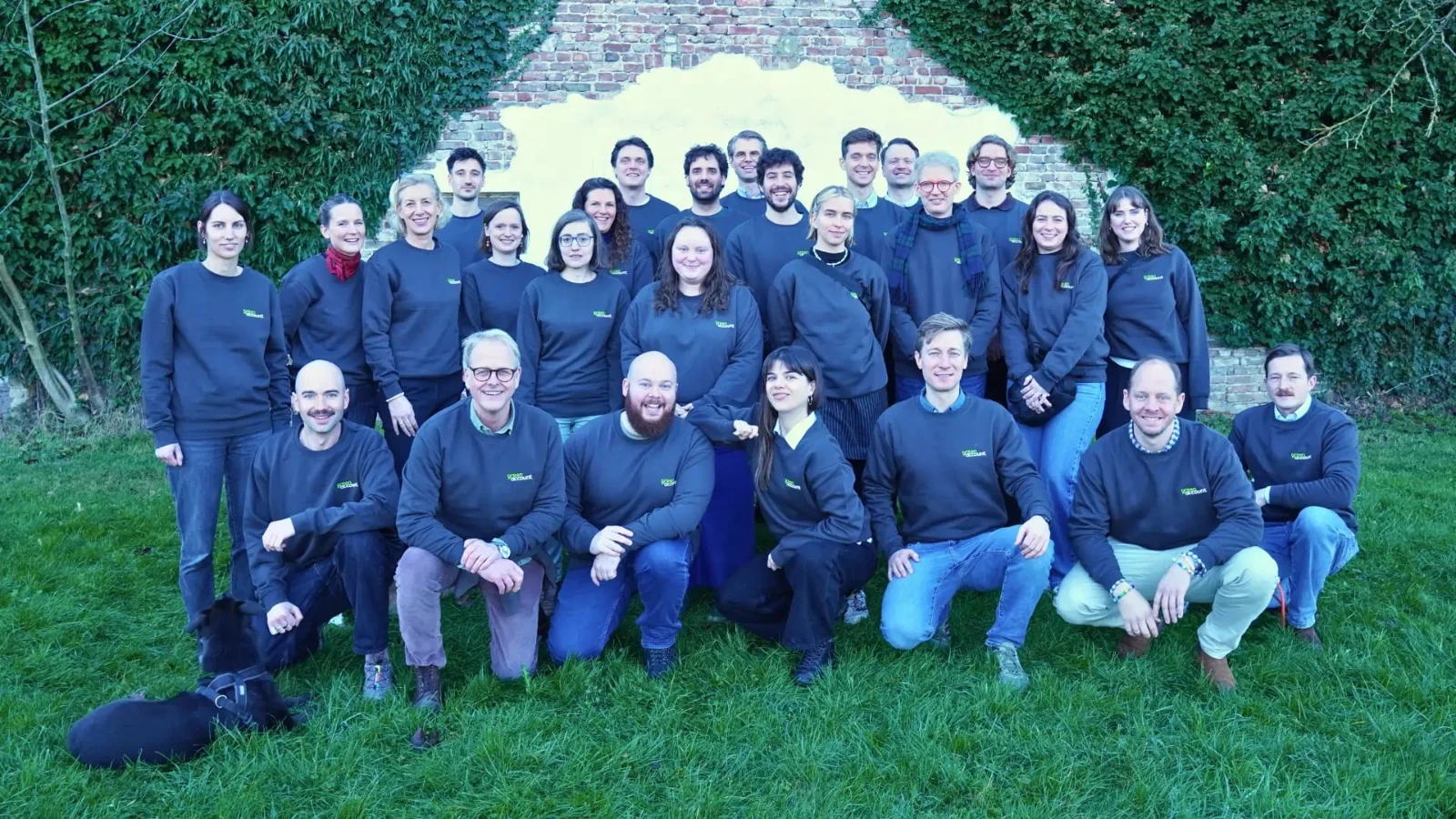
green account is a planning and broker office in Germany’s nature restoration sector, headquartered in Bielefeld with an additional office in Berlin. A co-founder’s background as a farmer and landowner — who has restored large parts of his own agricultural land — gives the company strong regional roots and a grounded identity. The sector is underpinned by the Impact Mitigation Regulation (1976), which requires developers who consume green space to restore affected ecosystems. The market transacts an estimated €1–2 bn annually, with consulting, planning and legal services and national land restoration initiatives forming a €5–10 bn sector around it.
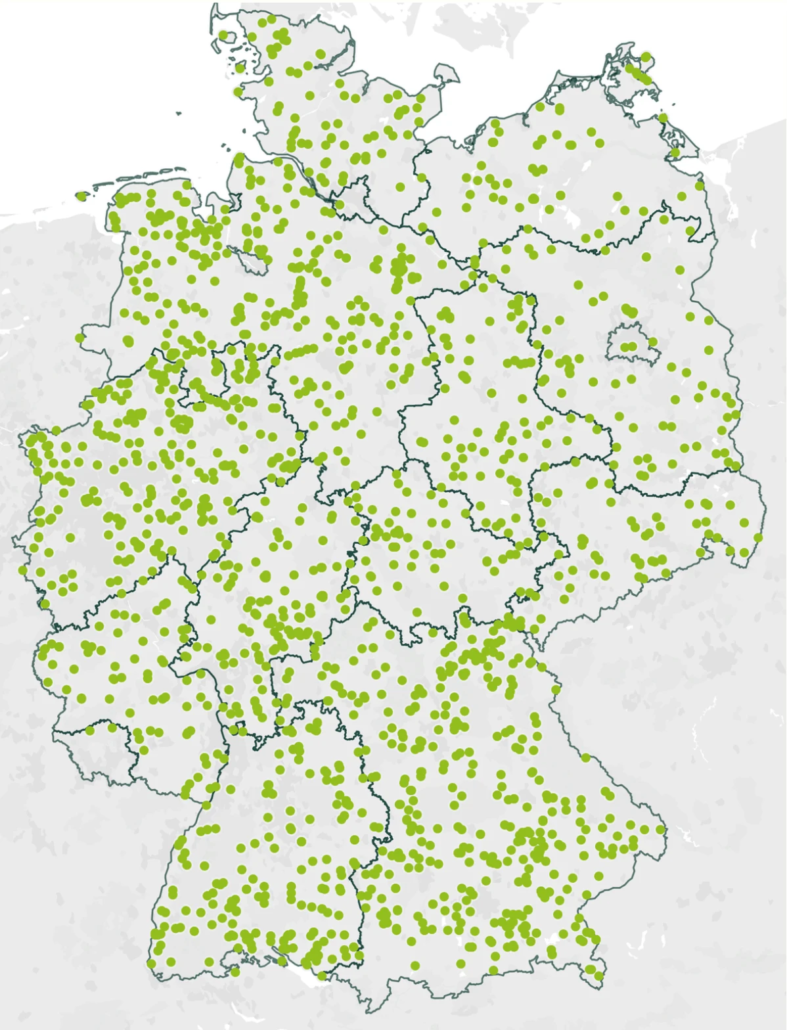
green account’s mission is to enable nature restoration at scale by digitising and automating a slow, fragmented process. Born from the idea of turning restoration into a business case — first through biodiversity-rich flower patches — the company has grown into the leading broker and planning office operating at national scale. Its mission is threefold: to demonstrate that Germany’s no-net-loss policy can be strengthened through innovation rather than weakened by deregulation; to service national demand for nature offsets created by the energy transition; and to make it simple for landowners to participate and earn from ecosystem restoration.
Business model
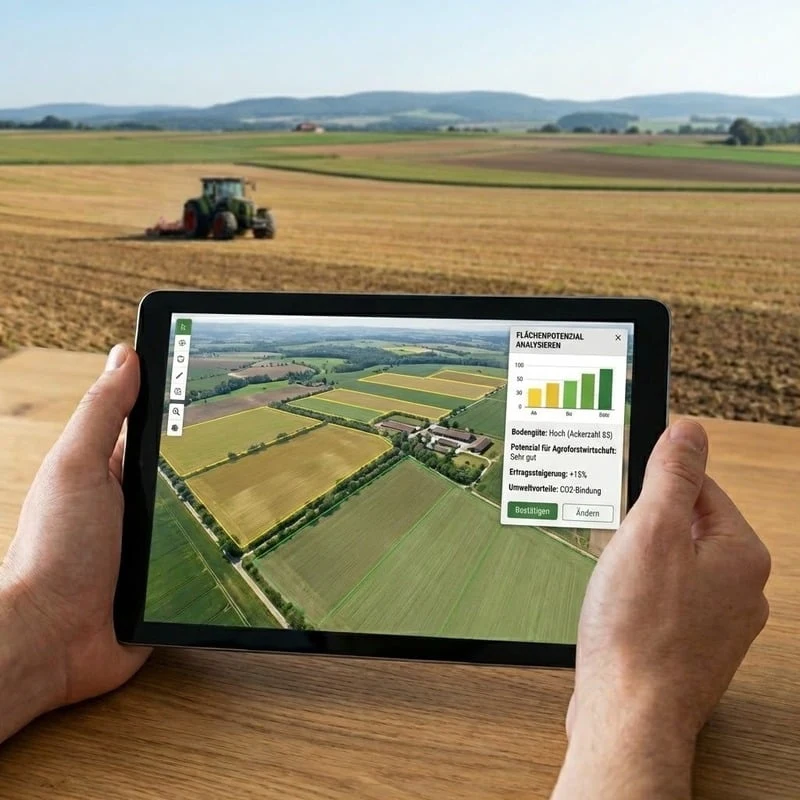
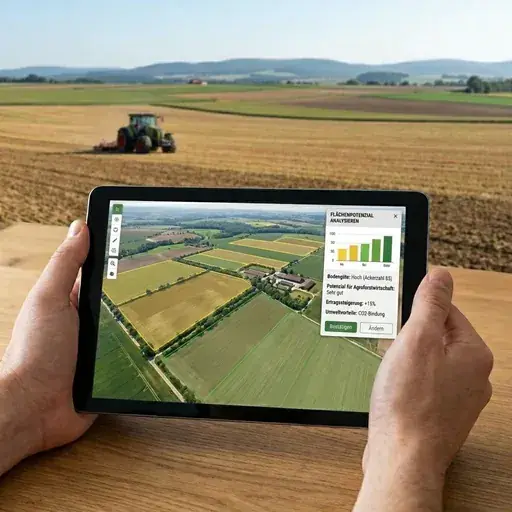
green account is a B2B and B2G service company operating on a commission fee model (from 10%), covering area identification, lease contracting, restoration planning and permitting. A proprietary data layer consisting of landowner-uploaded area data combined with public landscape datasets powers the platform, increasingly enhanced by AI. The long-term goal is to become Germany’s largest nature restoration platform, with potential international expansion where policy allows.
Challenges and hurdles
Commission-based fees create friction in public tender processes, resolvable by unbundling services. End-of-journey payment introduces liquidity risk, while established local actors capture smaller projects before they reach the market. Beyond these, regulatory resistance to automated planning documents and a cultural legacy of public-sector dominance in nature conservation remain structural barriers.
Future and opportunities
The next growth phase centres on automation: AI-assisted area assessment will improve supply quality, while automated planning documents cut permitting time and save up to 70% of planner effort. Onboarding major infrastructure developers onto the platform adds recurring revenue alongside transaction fees. At scale, green account is positioned as the gateway for the billions needed to meet Germany’s restoration targets — and a natural pathway toward institutional capital and cross-border expansion.
More community stories
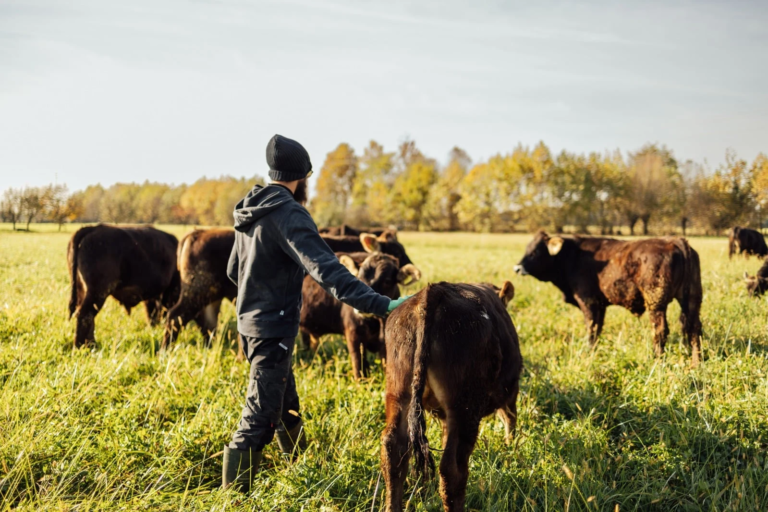
Verderosa Farm
Grass-fed farming that brings food production, biodiversity and community well-being together.
Read the story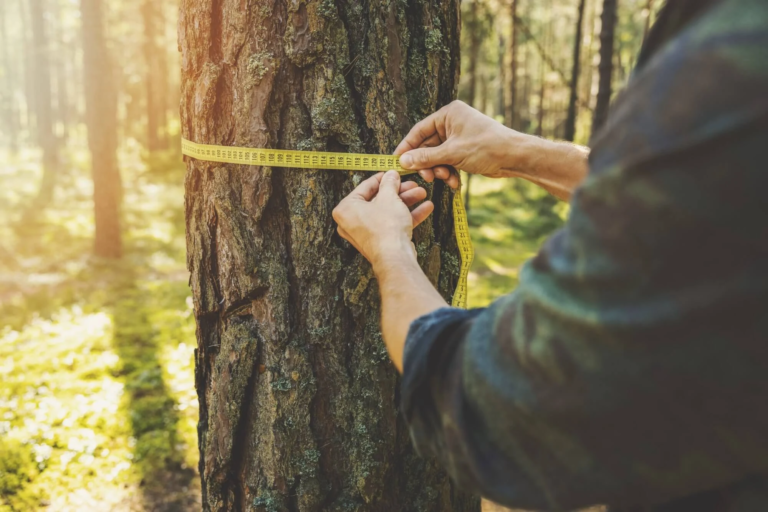
Hometree
Restoring Ireland’s native woodlands and temperate rainforest with communities, schools and landowners.
Read the story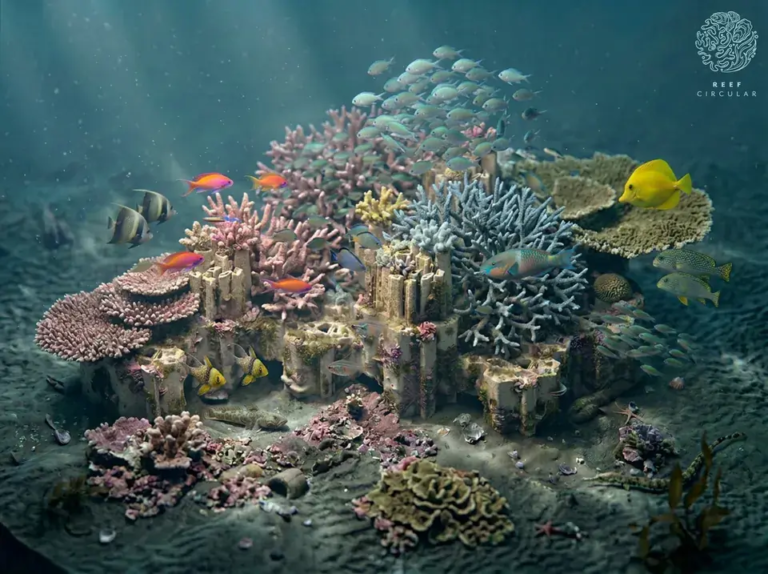
ReefCircular
Low-carbon artificial reefs designed to bring marine ecosystems back to life at scale.
Read the story
