
Built Environment · Urban Landscapes
NursiTree
Helping trees thrive in changing cities through flexible, relocatable planting systems.
The Netherlands
Mission and inspiration
NursiTree develops circular planting box that enables healthy trees to grow in places where conventional planting systems fail. The company was founded on the belief that cities should not treat trees as temporary decoration, but as long-term climate infrastructure.
As European cities densify, public space is increasingly contested by mobility, utilities, housing, water management and energy infrastructure. At the same time, municipalities are under growing pressure to reduce heat stress, improve biodiversity and create climate-resilient urban environments.
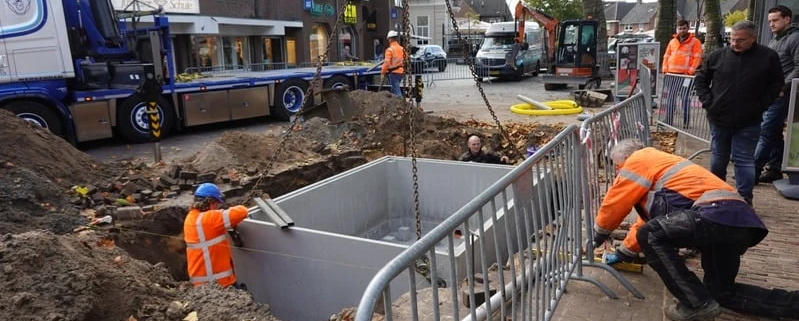
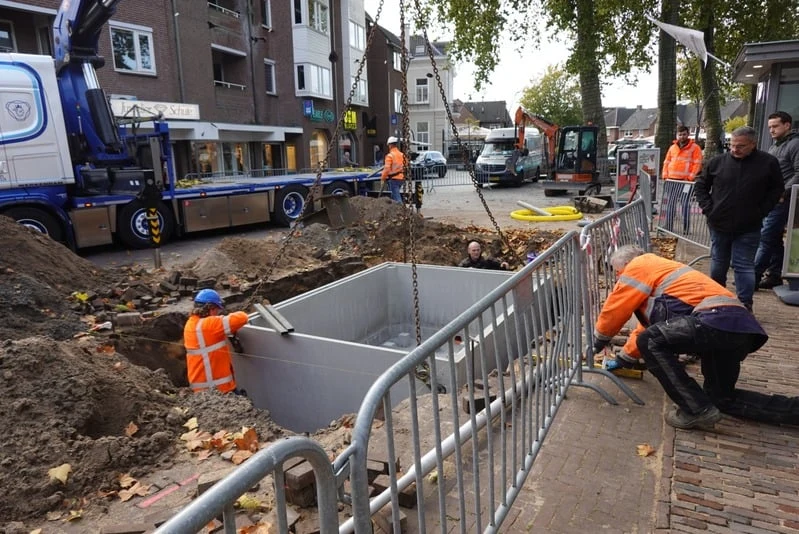
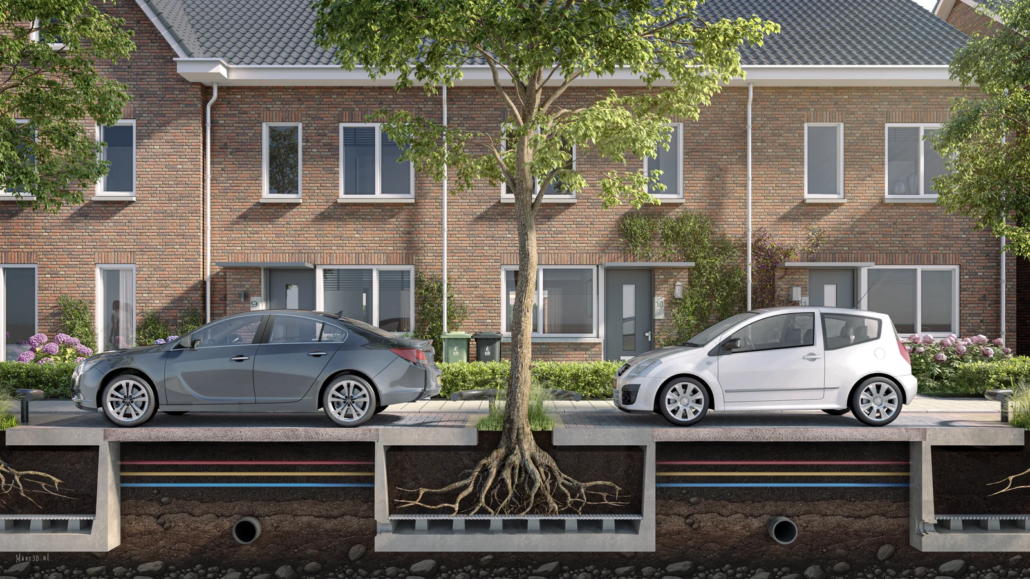
NursiTree addresses this challenge through a patented system called the Urban Tree Pit (BRENT): a standardized, relocatable underground growth environment that allows trees to thrive in highly constrained urban locations while remaining fully transplantable in the future.
The company describes this philosophy as “the city as a nursery.” Instead of planting trees as static objects expected to survive unchanged for eighty years, NursiTree creates flexible urban forests that can evolve alongside the city itself.
Business model
NursiTree operates at the intersection of urban greening, civil engineering and climate adaptation. The company supplies standardized Urban Tree Pits combined with advisory, engineering, installation, monitoring and transplanting services.
Unlike conventional tree planting, the system enables municipalities and developers to retain the long-term ecological and financial value of mature trees, even when urban redevelopment occurs. Trees can be relocated rather than removed, significantly extending their ecosystem value.
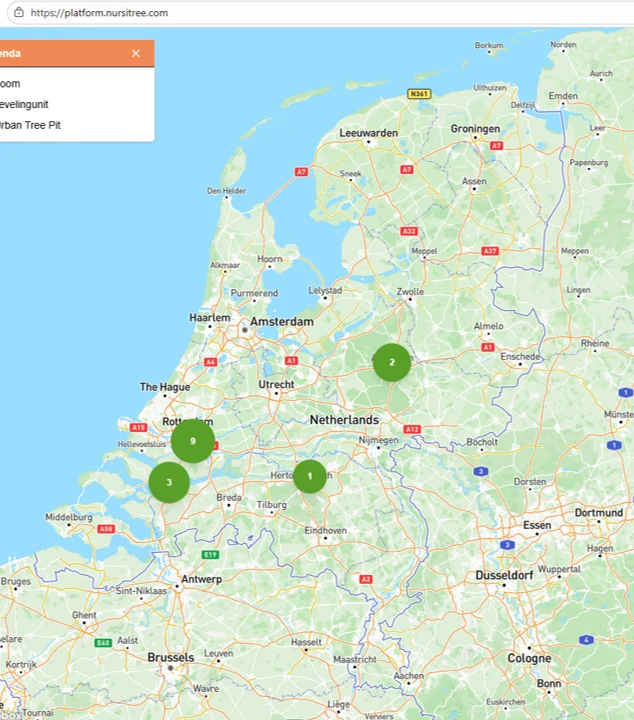
NursiTree complements the physical infrastructure with its own digital monitoring platform. Every tree receives a digital passport containing growth data, planting conditions and transplant timelines. The platform helps municipalities manage assets proactively and supports future relocation or exchange between cities and projects.
The business model combines:
- Product sales (Urban Tree Pit systems)
- Engineering and consultancy
- Installation support
- Long-term monitoring
- Transplanting services
- Ecosystem-based urban development partnerships
Challenges and hurdles
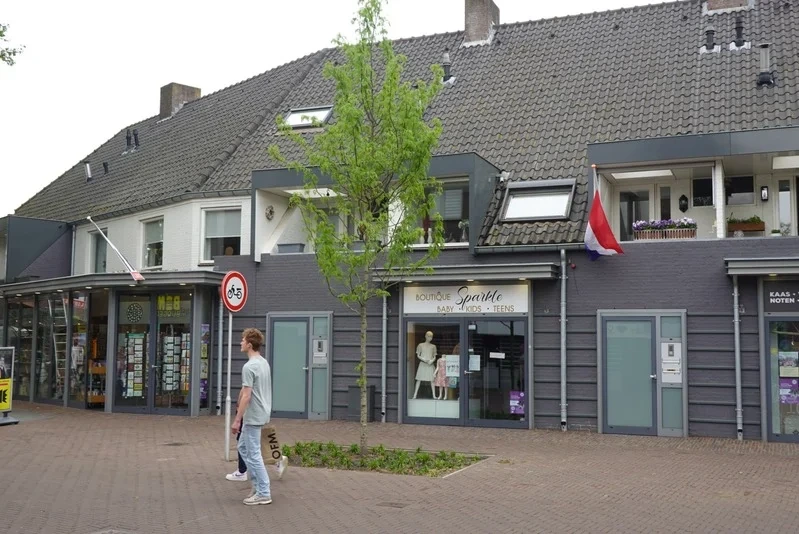
One of the main challenges we face is time. Our solution did not previously exist, which means it takes time for society to accept and adopt it.
In addition, urban developers are often less focused on long-term thinking and forward investment. Our solution is initially more expensive than current methods, but it generates greater value in the long run. Developers generally have less incentive to invest in these long-term benefits than governments do.
The current government budgeting system also creates obstacles. In the Netherlands, annual budgets are commonly used, which makes it difficult to organise and secure long-term upfront financing.
Future and opportunities
NursiTree aims to become a leading European platform for flexible urban forestry and climate-resilient public space design.
The company believes that future-proof cities require infrastructure systems that combine ecology, engineering and adaptability. Rather than treating urban trees as static landscape elements, NursiTree positions them as dynamic climate assets capable of moving with the evolving city.
The next phase of growth focuses on:
- Scaling deployments with municipalities and developers
- Strategic partnerships within climate adaptation and urban infrastructure
- International partnerships to sell and install the Urban Tree Pits
- Expansion of the digital tree platform with data
- International collaboration around regenerative urban systems
By combining standardized infrastructure with ecological intelligence, NursiTree seeks to help European cities create healthier, cooler and more resilient urban environments, without sacrificing the functionality and density modern cities require.
More community stories
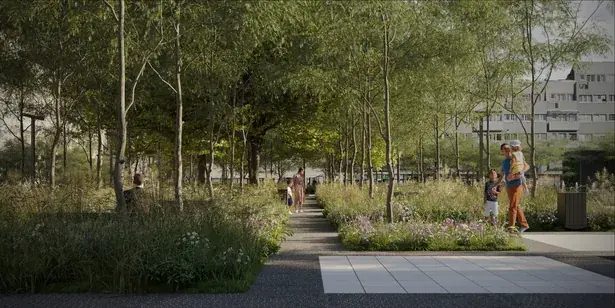
COOLCITY
Satellite-based tools helping European cities plan blue-green infrastructure and adapt to climate change.
Read the story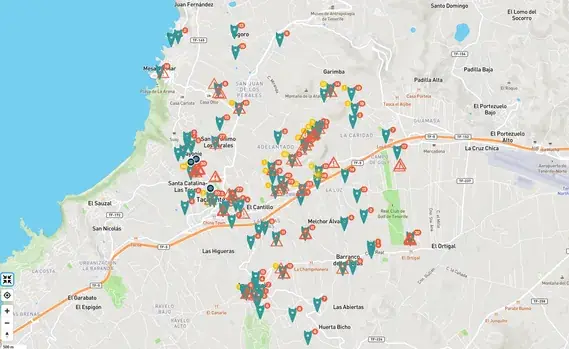
Zoometrics
Digital tools helping cities manage community cat colonies humanely and protect urban wildlife.
Read the story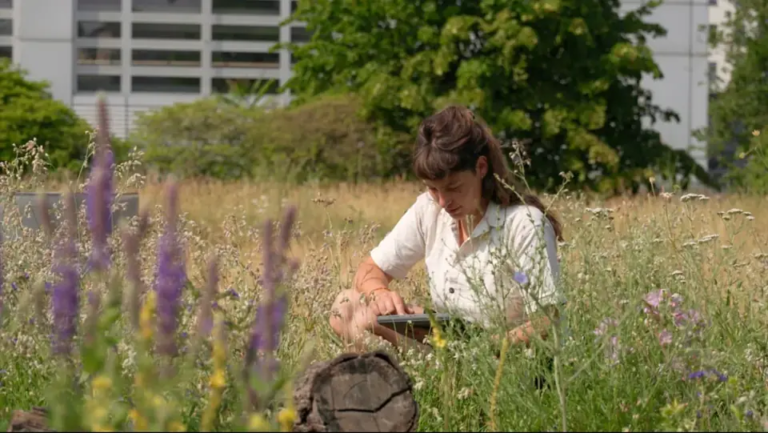
Swarmlab
A digital platform that turns biodiversity measures into manageable, measurable assets.
Read the story
